Over 25% (25%) of American seniors are affected by diabetes, a condition that can cause a myriad of problems. In the range of 10 to 15% of diabetics suffer from leg and foot ulcers. These seemingly innocuous wounds, if left unattended, may escalate to a point where diabetic foot amputation becomes an unfortunate reality. In fact, 80 percent of amputations originate from foot ulcers. This highlights the critical importance of rigorous treatment and preventive measures.
Diabetes management is a multi-faceted task that requires a comprehensive plan that goes beyond the control of glucose. In this effort, daily foot care is essential to prevent diabetes-related amputations.
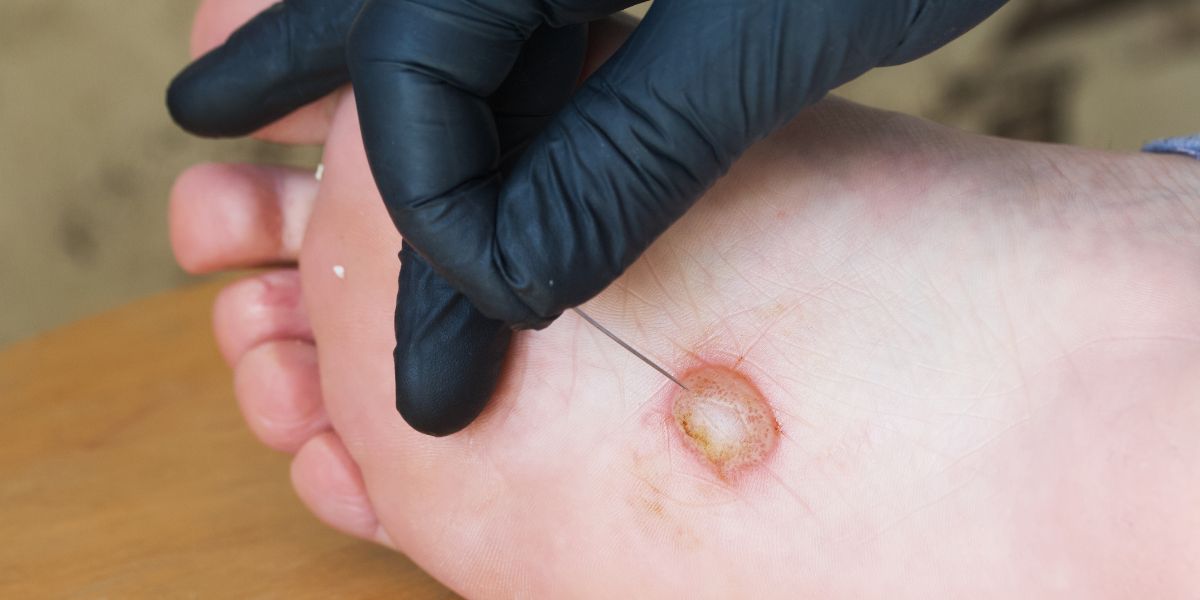
Understanding the Landscape
Diabetes and its complications create an intricate landscape to navigate. The prevalence of foot and leg ulcers among diabetic patients underscores the necessity for proactive treatment. The numbers are shocking and it is evident that knowing the complexities of these conditions is essential in the fight against amputations.
The Amputation Conundrum
The threat of amputation is always looming over diabetics. It’s a reality that is more than simple statistics, impacting individuals on a deeply personal level. From a minor injury to the possibility that diabetic feet may require an amputated foot The journey can be one of intense emotional trauma.
Daily Care for the Feet: A Defense against Amputation
Regular foot care is the basis for preventive measures against diabetes-related amputations. This isn’t only about maintaining hygiene; it’s a meticulous practice aimed at finding and fixing potential problems before they escalate. The daily routine covers everything from checking your feet for any wounds, to taking care to moisturize them.
The Function of Vascular Specialists
While vascular specialists do not have a role involved in managing diabetes, they may contribute to decreasing the complications. In order to alleviate pain in the legs, and facilitate wound healing, creating optimal blood flow is a crucial element of treatment. Through this collaboration approach the goal is clear that we prevent amputations due to diabetes by reducing the effects of the condition.
Amputation Prevention: Strategies
To make it through the maze of diabetes amputation risk you require a combination of consciousness, vigilance and a skilled intervention. It is important for people with diabetes to adopt a proactive approach. Regular checks with health professionals, including vascular experts, will help you detect the signs of diabetes early and then intervene.
Leg Ulcers, Beyond: Triggers to Consider
Leg ulcers may be a sign of more serious problems. So, they demand our focus. It is crucial to determine the factors that can result in leg ulcers. If it’s poor circulation or neuropathy, or a combination of factors, determining the root cause allows for targeted interventions and individualized treatment.
Education as Empowerment
It is crucial to inform diabetics about the dangers of having diabetes and the ways they can stop them. Education initiatives, both in healthcare settings and the broader community can help bridge the gap between awareness and taking action. Knowing the consequences of seemingly harmless wounds can prompt timely responses, potentially stopping the necessity of diabetic foot amputation.
Battles between private parties, triumphs for the collective
Amputations caused by diabetes isn’t just an individual struggle; it’s a collective victory. Engaging in support networks, be it through the healthcare professionals or through community groups, offers an opportunity to share experiences, knowledge and strategies for coping. The emotional strain of facing the risk of amputation is enormous, and a sense in which you’re part of a larger community can offer comfort and strength.
Conclusion: The path to ulcers, diabetes and the risk of amputation are many-faceted. The daily foot care is the primary line of defense. Vascular experts’ expertise is a great asset to mitigate the effects. By increasing awareness, embracing preventive measures, as well as fostering the development of a community-based support system, those with diabetes can traverse this intricate landscape with resilience and optimism, while reducing the risk of amputations.