Modern companies rely heavily on connected devices to collect information, automate processes and enable smart operations. The administration of a fleet of devices in multiple locations, particularly as they grow, can be a challenge. Device operations require constant tech-savvy expertise and constant attention. From security compliance to optimization of performance and software updates, all of them require continuous focus. This is where a structured managed service strategy transforms complicated processes into clear.
Organizations begin their search for Raspberry device software free options to cut down initial costs. Although these tools are free and provide remote access and a basic level of monitoring but don’t offer the degree of control required for enterprise-grade deployments. As networks of devices grow businesses require more than dashboards and manual control. They require a system that handles security, provisioning monitors, performance, compliance reporting and tracking compliance on a regular basis.
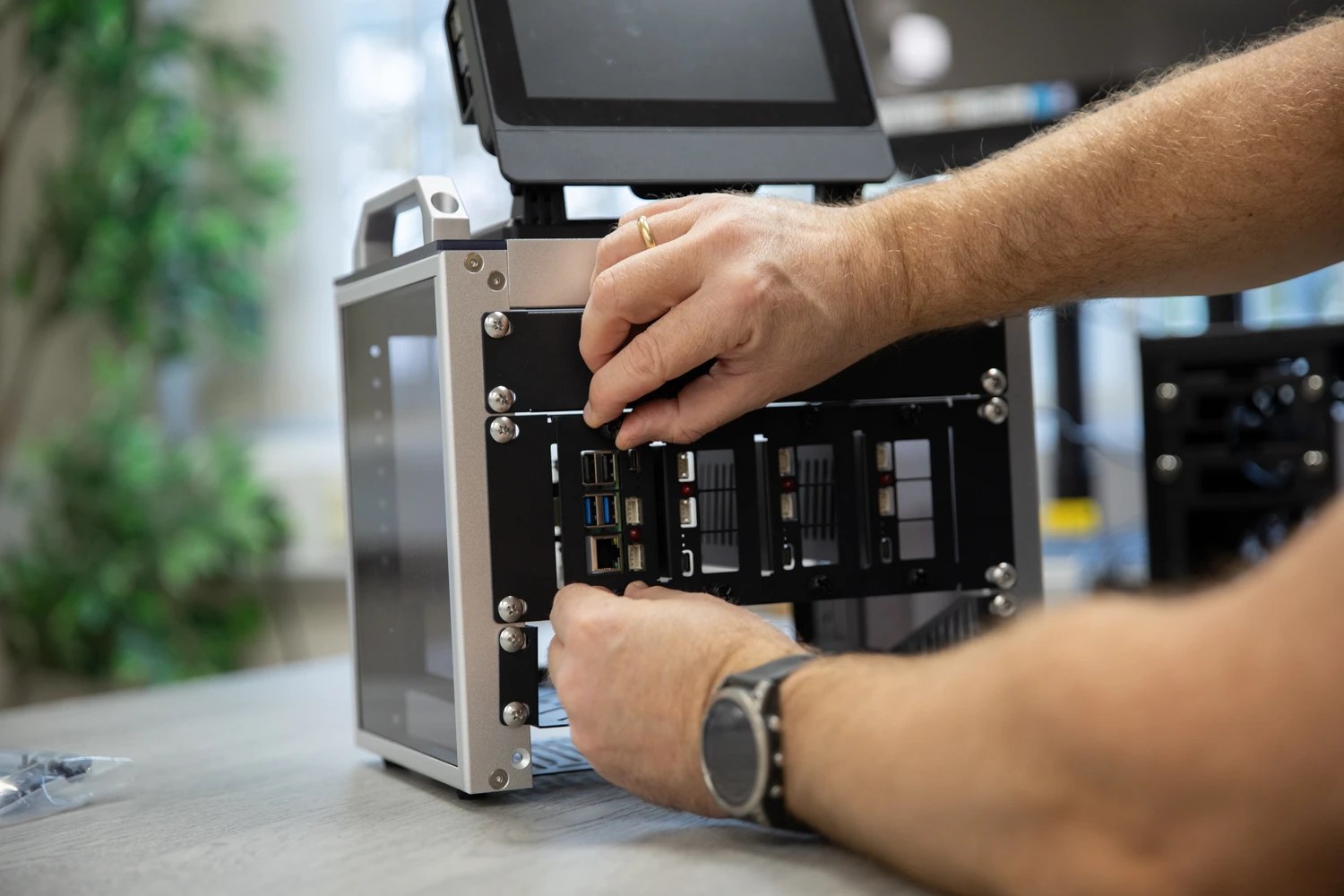
Internal staff is relieved from the everyday operational burden by a fully managed infrastructure. Businesses can instead focus on innovation and growth rather than troubleshooting and patching equipment and systems. A unified framework is used to configure, deploy, and maintain all devices, ensuring consistency and reliability. This system reduces downtime, and also prevents security weaknesses due to misconfigurations or omitted updates.
A Partnership Model for Scale
IoT ecosystems do not always work when designed in isolation. They require an intelligent and strategic approach to planning and continuous optimization. Through working with an Raspberry Pi design expert, you can be sure that the choice of hardware architecture, software and design is in line with your operational goals. Instead of focusing on deployment as a single-time event the partnership model creates a scalable foundation that evolves with business needs.
Every managed service engagement is tailored to the customer’s needs, such as hardware integration platform management, as well as technical assistance within a single operating agreement. The unified structure facilitates communication and removes any confusion between vendors. The business owners now have named technical contacts, agreed service level agreements and transparent reports that keep all stakeholders well-informed.
Configuration and provisioning processes are made standard to ensure that devices are uniform across all locations. Each device is assembled and tested. It is then securely registered to ensure consistent performance. Continuous telemetry offers real-time insights regarding the health of devices and stability of apps. Engineers can detect anomalies and avoid system failures before they get out of hand.
Continuous Management to ensure operational excellence
Dependable IoT environments rely on proactive maintenance instead of reactive troubleshooting. Updates and patches are managed to ensure that operating systems and applications remain stable and secure. To prevent interruptions and ensure uptime, updates are thoroughly test prior to their deployment.
Operational workflows are also designed to satisfy compliance requirements. If an organization must comply with ISO standards, SOC2 frameworks, or internal reporting policies, governance procedures are aligned with regulations. This structured oversight decreases the stress of audits and improves cybersecurity posture.
Managed services are even more effective when they are able to incorporate performance optimization and lifecycle management. Regular system reviews identify the potential for hardware upgrades, energy efficiency improvements, and workload balancing. Instead of waiting until devices fail or become obsolete, the infrastructure is built along with the growth of the organization.
Cloud and Edge Technologies seamlessly integrated
Modern deployments usually require tight integration between the edge hardware and cloud ecosystems. Expert Azure IoT consulting helps businesses connect devices securely to cloud platforms while optimizing data pipelines, analytics workflows, and automation capabilities. This synergy between physical infrastructure and cloud intelligence lets you make better decision-making and greater operational flexibility.
Professional IoT consulting also ensures that monitoring platforms Data governance frameworks, monitoring platforms, and security protocols are in sync. Engineers supervise system performance round all hours of the day, and respond to anomalies before they disrupt operations. Options for support that are scalable enable companies to expand their business with the confidence that they have the technical expertise needed as the number of devices they have.
The goal is to create systems that make the edge sophisticated feel as if they were a breeze. Scaler Pi makes cutting-edge technology more accessible by combining the expertise of hardware with cloud-based innovation. It provides a system that is efficient, with devices, data and operations all operate effortlessly.
Manage Device Infrastructure with greater efficiency
Managed services offer an accountability single point in hardware, design, monitoring and assistance. Budgeting is streamlined with predictable pricing models. surprises, while continuous monitoring and automated updates decrease the risk of operating. Businesses can rest assured that their infrastructure is always compliant and performing optimally.
As IoT ecosystems grow, the need for reliable operational frameworks becomes essential. A managed service can ensure that devices networks are secure, efficient and up-to-date. This allows organizations to innovate, without being limited by the infrastructure management.